
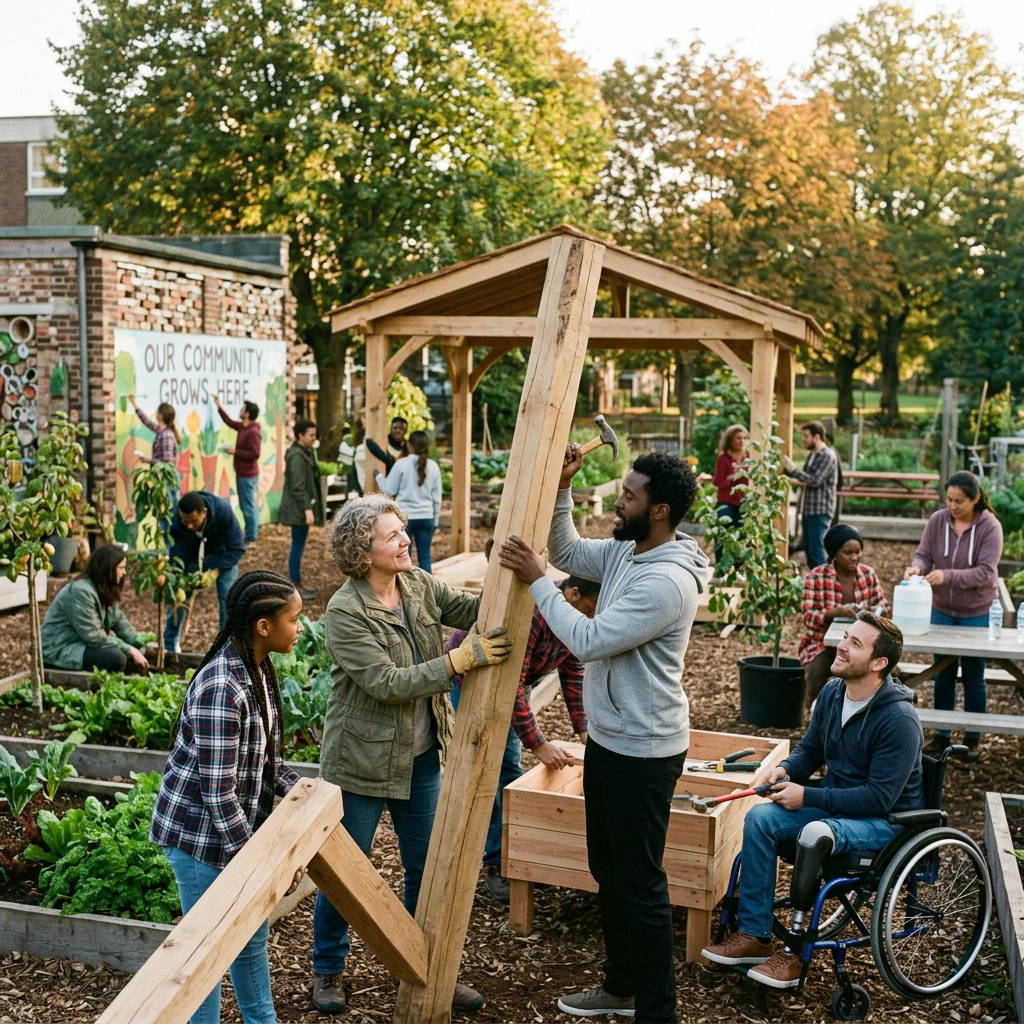
Parenting was never meant to be done alone. Yet for so many parents, especially single parents, it can feel isolating, exhausting, and emotionally heavy. Between work, school schedules, bills, emotional labor, and trying to hold yourself together, it’s easy to feel like you’re carrying the world without a village behind you.
The truth is: supportive communities don’t always magically appear. Sometimes they are intentionally built, one connection at a time.
If you’re craving deeper friendships, more support, heathier environments for your children, and people who genuinely understand your journey, these strategies can help you begin creating the kind of community your family deserves.
1. Start by Becoming the Energy You’re Seeking
Supportive communities begin with emotionally safe people.
If you want honesty, kindness, encouragement, and consistency around you, practice offering those things first. That doesn’t mean overextending yourself or people- pleasing. It means showing up authentically.
- Check in on another parent
- Compliment someone genuinley
- Offer encouragement without expecting anything back
- Be open about your own struggles
2. Put Yourself in Spaces Where Like-Minded Parents Gather
Finding your people gets easier when you consistently place yourself in environments that align with your values.
- School events
- Local parenting groups
- Church or spiritual communities
- Sports teams and extracurricular activties
- Community centers
- Parent workshops
- Online parenting communities
- Volunteer programs
Connection usually grows through repeated exposure, not instant chemistry.
3. Stop Waiting for Perfect Friendships
One of the biggest mistakes parents make is believing every friendship has to become deeply personal immeditaley.
Some people may become:
- Your emergency contact
- Your coffee friend
- Your workout partner
- Your emotional support
- Your child’s favorite parent-friend
- Your networking connection
Not every relationship has to fulfill every need.
Healthy communities are built through layers of support, not one perfect person.
4. Be Honest About What You Need
Many parents silently struggle because they fear being judged.
But people often don’t know how to support you unless you communicate clearly.
Instead of saying:
- “I’m fine.”
Try:
- “I’m overwhelmed this week.”
- “Could you help me with pickup tomorrow.”
- “I could really use adult conversation.”
- “Do you want to do a low-budget family outing together?”
Asking for support is not a weakness. It creates connection.
5. Create Consistent Rituals with Other Families
Consistency builds trust faster than random interactions.
Simple recurring traditions can strengthen relationships naturally:
- Weekly park meetups
- Friendly pizza nights
- Monthly game nights
- Morning walks
- Library visits
- Family potlucks
- Sunday coffee check-ins
Children benefit deeply from seeing stable, healthy, community dynamics modeled regularly.
6. Use Social Media Intentionally
Social media can either increase loneliness or create meaningful connection depending on how it’s used.
Instead of only consuming content:
- Comment genuinley
- Join conversations
- Share relatable parenting moments
- Support other creators
- Connect locally when possible
Authenticity attracts people faster than perfection ever will.
Crave realness…….not curated lives.
7. Teach Your Children Community Skills
Supportive communities become stronger when children learn how to contribute positively as well.
Teach them:
- Empathy
- Gratitude
- Respect
- Conflict resolution
- Generosity
- Emotional regulation
- Inclusion
Children raised around healthy connection often feel more emotionally secure and socially confident.
8. Let Go of Relationships That Drain You
Not every relationship deserves unlimited access to your life.
Pay attention to people who:
- Constantly criticize
- Create drama
- Ignore boundries
- Only show up when they need something
- Make you feel emotionally exhausted
Healthy community should feel supportive, not emotionally unsafe.
Protecting your peace is part of protecting your children too.
9. Don’t Underestimate Small Connections
Sometimes the people who impact us most begin as tiny interactions:
- The parent you talk to at pickup
- The cashier who always checks on you
- Another mother commenting on your video
- A neighbor saying hello
- Someone sitting beside you at a school event
Community often grows slowly before it becomes life-changing. Keep planting seeds.
10. Become the Safe Space You Wish You Had
One of the most powerful things a parent can do is create the kind of environment they once needed themselves.
Your home can become:
- The comforting house
- The judgment-free zone
- The safe conversation zone
- The place where kids feel seen
- The place where parnts can exhale
You do not need perfection to create belonging.
You just need consistency, compassion, and intentional love.
Building a supportive community as a parent takes time but it is one of the most important investments you can make for both yourself and your children.
You were never meant to carry every burden alone.
Healthy communities remind us:
- We are seen
- We are supported
- We are human
- And we don’t have to do life in survival mode forever
Sometimes your village starts with one conversation, one message, one invitation, or one moment of courage,
And that small beginning can change everything.
Comments
One response
https://shorturl.fm/tF7ZX